
In the evolving landscape of healthcare design, hospital furniture plays a pivotal role not only in functionality but also in patient experience and clinical efficiency. Among the most critical pieces in outpatient and oncology settings is the specialized infusion chair, often referred to as a medical infusion chair or chemotherapy chair. This article explores the essential features, benefits, and considerations of infusion recliners and hospital sofas designed for prolonged treatment sessions.
Beyond a Standard Seat: The Purpose-Built Infusion Chair
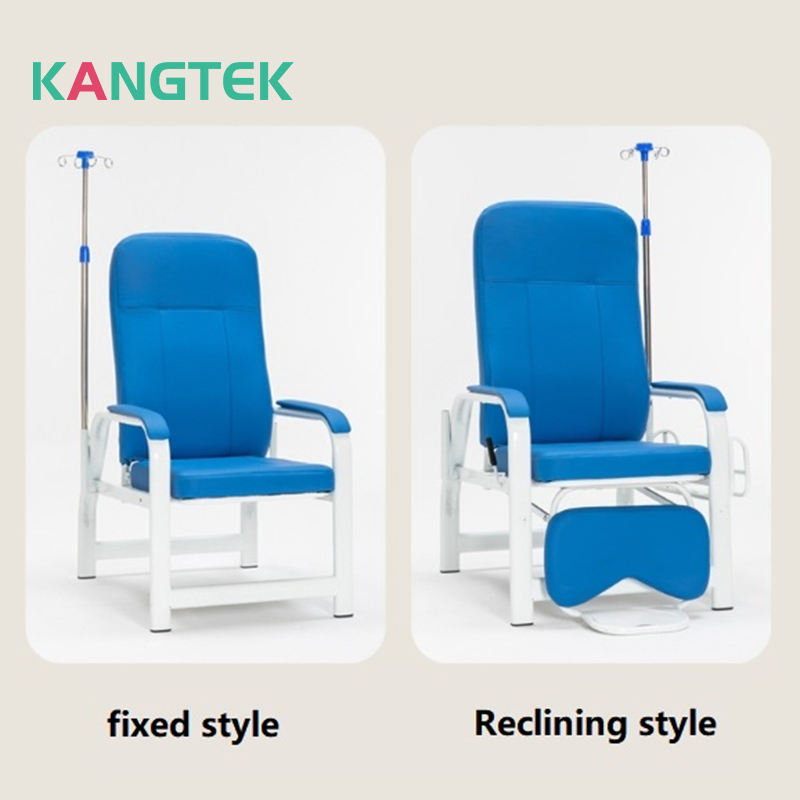
An infusion treatment chair is far more than a standard piece of hospital seating. It is a carefully engineered medical device designed to support patients during extended procedures such as chemotherapy, blood transfusions, antibiotic therapies, and other intravenous treatments. The primary goal of a medical recliner chair for infusion is to provide superior patient comfort while ensuring seamless access for healthcare providers. Key design elements include:
* Full Reclining Capability: A power recliner for hospital use allows patients to adjust their position easily, finding the optimal angle for rest and treatment, from an upright position to a near-flat recline.
* Integrated Safety and Functionality: Features like sturdy, lockable IV poles, side trays for personal items, and easy-to-clean infusion chair covers are standard. Many models come with medical-grade vinyl or antimicrobial upholstery to meet stringent infection control protocols.
* Comfort and Support: Padded armrests, ergonomic lumbar support, and extended leg rests are crucial in a patient infusion chair to minimize discomfort and prevent complications during long sessions.
Design and Material Considerations for Hospital Infusion Furniture
When selecting infusion clinic furniture, durability, hygiene, and patient-centered design are paramount.
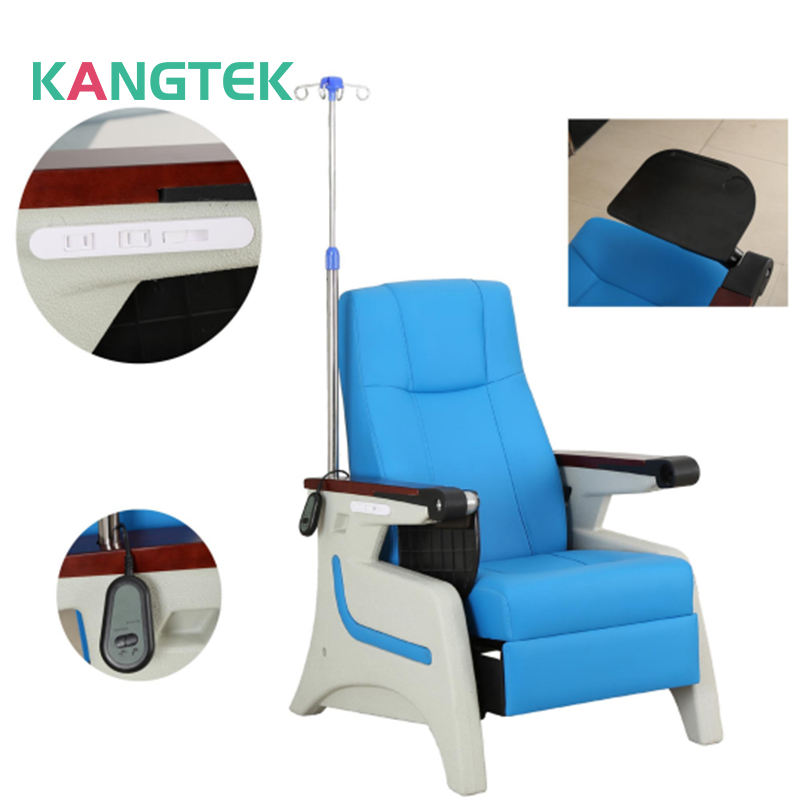
* Materials: High-quality hospital furniture for infusion areas is upholstered in durable, fluid-resistant, and easy-to-disinfect materials. Medical recliner fabrics are designed to withstand frequent cleaning with harsh chemicals without degrading.
* Functionality and Space: IV chairs often come in space-saving designs. Medical power recliners with smooth electric motors enhance the patient's sense of control and independence. For facilities seeking a more homelike environment, certain infusion sofa models offer a warmer aesthetic without compromising clinical utility.
* Caregiver and Provider Support: The best chemotherapy recliners are designed with the care team in mind, featuring 360-degree swivel bases for easy patient transfer and open-frame designs that allow unhindered access to IV lines and ports.

Selecting the Right Infusion Seating for Your Facility
Choosing the appropriate hospital treatment chair requires a balanced assessment of clinical needs and patient comfort.
1. Clinical Application: Determine the primary use—whether for short-term IV therapy or longer oncology treatments—to specify features like reclining infusion chair mechanisms and attached IV poles.
2. Patient Demographics: Consider the needs of your patient population. Bariatric-rated infusion chairs, pediatric options, or chairs with enhanced cushioning for elderly patients are important variations within medical furniture lines.
3. Workflow Integration: Evaluate how the infusion station chair integrates into the room layout. Mobile medical chairs can offer flexibility, while fixed reclining treatment chairs may provide a more permanent, streamlined setup.
4. Compliance and Safety: Ensure all hospital recliner chairs and IV therapy chairs meet relevant safety standards for medical electrical equipment (if powered) and stability.
