Within the meticulously organized ecosystem of a healthcare facility, hospital furniture is engineered to
support critical workflows, ensure patient safety, and maximize operational efficiency. Among these
essential pieces, medication shelving stands as a fundamental component of any pharmacy, nursing station,
or treatment area. A well-designed hospital medicine shelf or comprehensive pharmacy shelving system is
not merely storage; it is an active tool in the medication management process, directly impacting accuracy
and speed of care.
The Foundation of Organized Medication Management: Hospital Medicine Shelving
Medical shelving units are specialized hospital storage solutions designed to address the unique needs of
drug storage. Unlike standard shelving, hospital shelving for medications prioritizes accessibility, cleanliness,
and systematic organization. Robust steel medical shelves are the industry standard, offering the durability
required for high-traffic areas and the capacity to hold substantial weight. Key variants include:
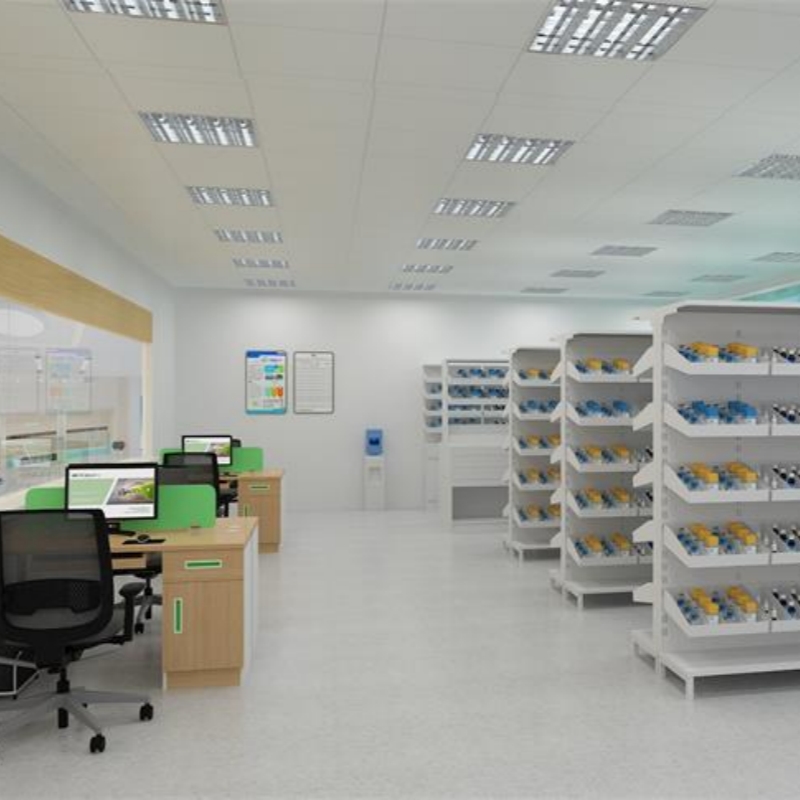
* Pharmacy Shelving: The backbone of the central pharmacy, often configured as high-density medical
storage shelves or mobile pharmacy shelving on casters for flexible layout. A pharmacy shelving system
incorporates clear labeling, dividers, and dedicated zones for different drug classes.
* Medication Cart Shelving: Integrated into hospital medication carts, this shelving is compartmentalized
for individual patient doses, supporting efficient medication administration rounds.
* Nursing Station Shelving: Provides secure, at-hand storage for commonly used medications and supplies,
often featuring locking mechanisms on hospital pharmacy shelves for controlled substances.
* Wall-Mounted Medicine Shelves: Ideal for saving floor space in examination rooms or small preparation are
as, offering quick access to frequently needed items.
Key Features of Effective Hospital Drug Shelving
Selecting the right pharmacy storage shelving involves evaluating several crucial features that align with
hospital protocols:
1. Durability and Hygiene: Hospital-grade shelving is constructed from high-quality, powder-coated steel
that resists corrosion, chemicals, and is easy to clean and disinfect—a non-negotiable aspect of hospital
furniture.
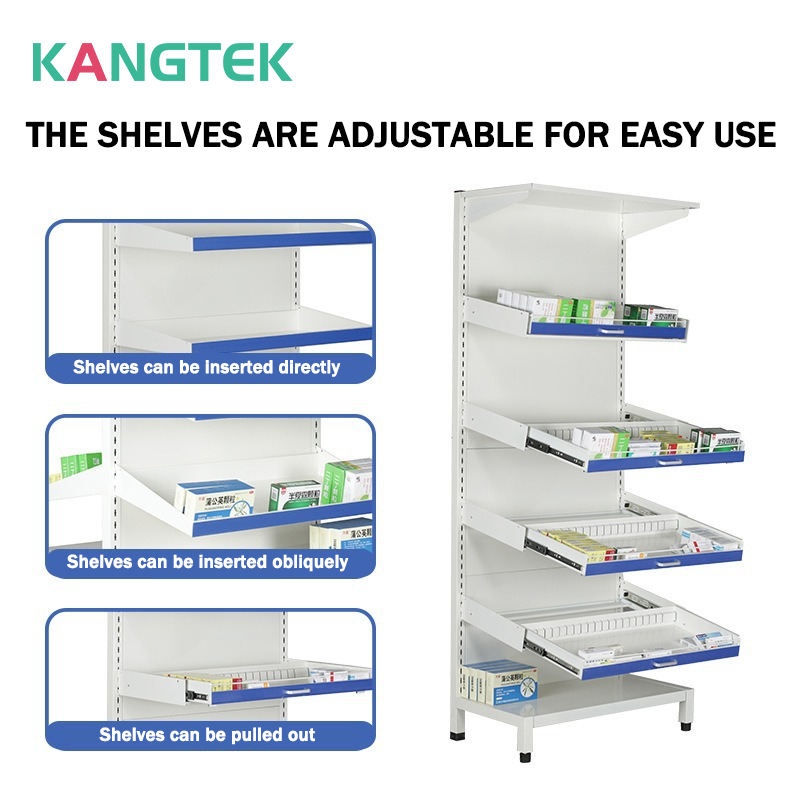
2. Adjustability and Flexibility: Adjustable medical shelves allow staff to customize compartment heights to
accommodate variously sized boxes, bottles, and IV bags, making the medication storage shelf adaptable to
changing inventory.
3. Safety and Compliance: Design elements such as rounded edges, secure fittings, and optional locking
doors for secured pharmacy shelving help meet safety standards and regulatory requirements for drug
storage.
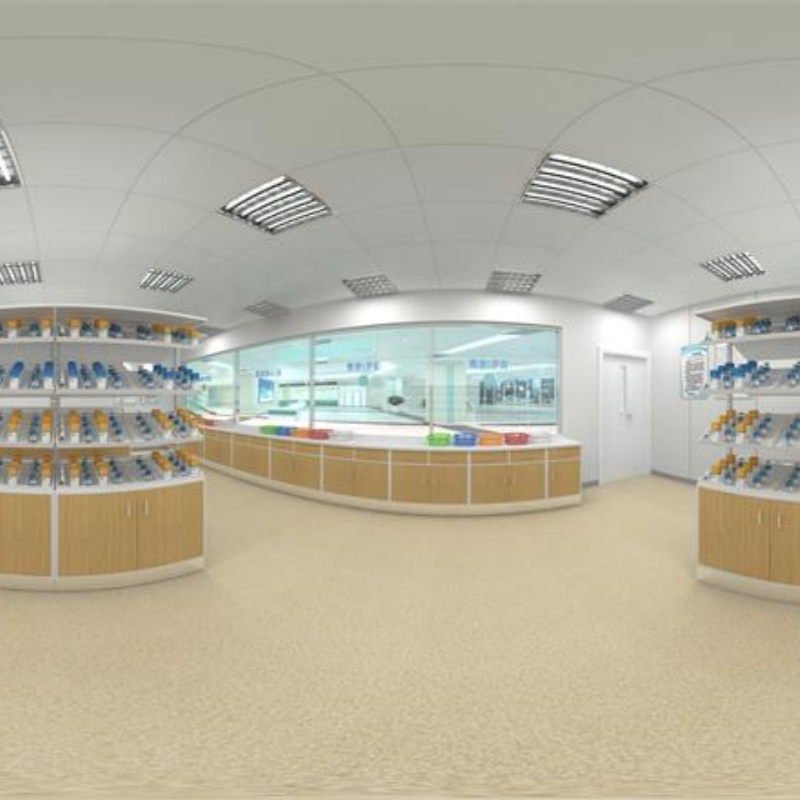
4. Workflow Optimization: Modern pharmacy shelving systems are designed with workflow in mind.
Color-coded labels, bin systems, and layouts that follow the "ABC" analysis (organizing items by frequency
of use) significantly reduce retrieval time and potential for error.

Choosing the Right Shelving for Your Healthcare Facility
Integrating the optimal medical storage shelving requires careful planning:
* Assess Space and Volume: Analyze the available footprint in the pharmacy or ward. Consider vertical
space with tall hospital storage shelving or implement mobile medical shelves for adaptable layouts.
* Define Inventory Needs: The type of medicine shelving required depends entirely on what it will
hold—bulk supplies, unit-dose packages, refrigerated items, or controlled substances.
* Prioritize Ergonomics: Shelving should minimize excessive bending or stretching for staff. Ergonomically
designed hospital shelving contributes to a safer workplace.
* Plan for Growth: A scalable pharmacy shelving system can be reconfigured or expanded as the facility's
needs evolve.