
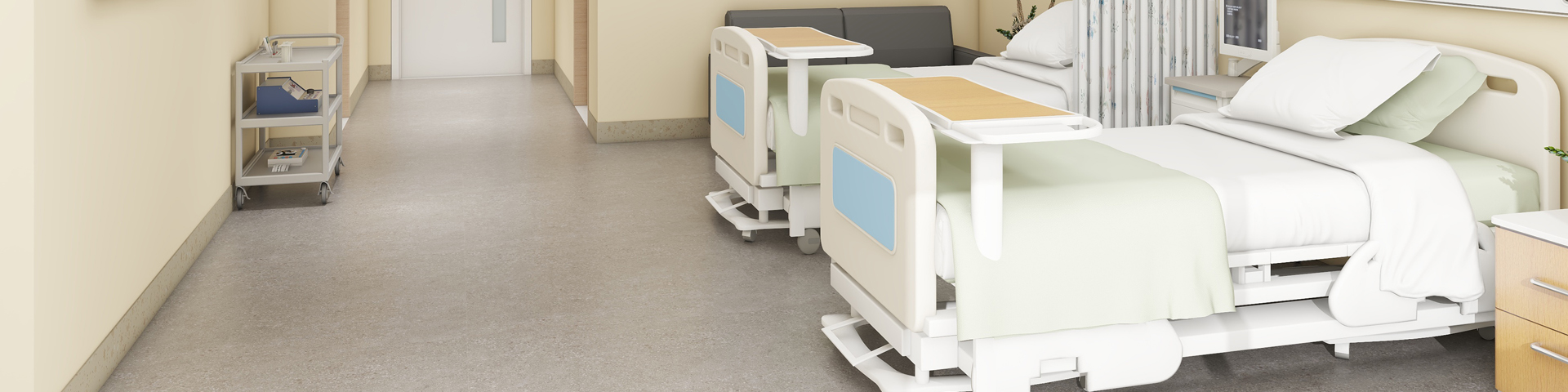
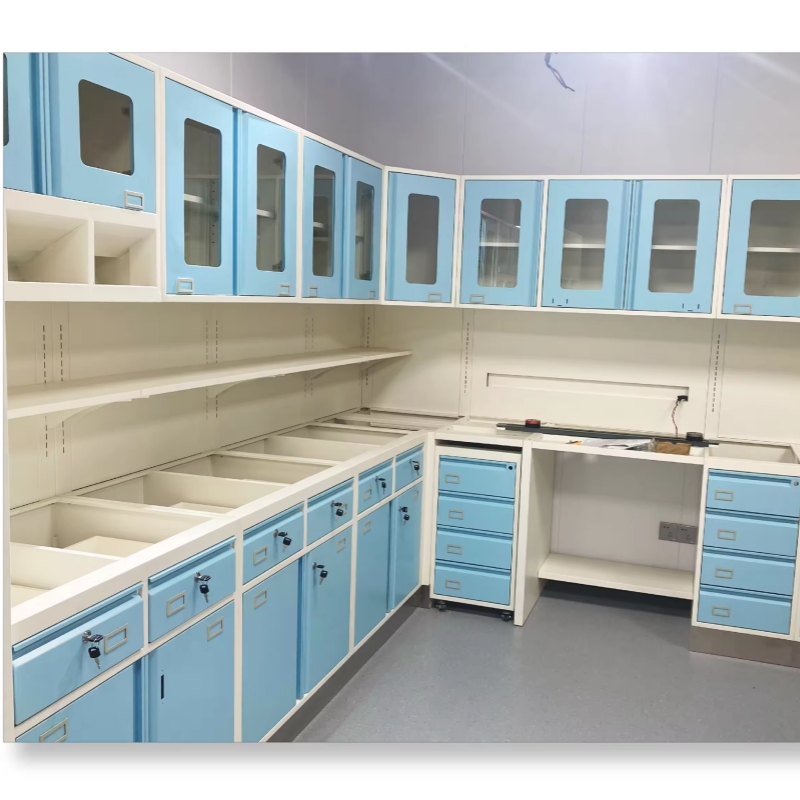
Hospital furniture is the cornerstone of efficient, safe, and hygienic healthcare environments, with hospital
cabinets and hospital medicine cabinets emerging as critical components that support seamless clinical
operations. From bustling emergency departments to sterile pharmacies, high-quality medical furniture
for hospitals is engineered to meet the rigorous demands of healthcare settings—prioritizing durability,
infection control, space optimization, and regulatory compliance. Among these essential furnishings,
hospital cabinets stand out as versatile workhorses, while hospital medicine cabinets fulfill a specialized,
life-saving role in medication management.
Hospital Furniture: Beyond Functionality, Toward Patient-Centric Care
Modern hospital furniture is designed to balance practicality with patient comfort and staff efficiency, and
hospital cabinets are no exception. Unlike conventional furniture, medical furniture for hospitals must
withstand frequent cleaning, resist harsh disinfectants, and minimize germ accumulation—all while
maximizing storage capacity in often limited spaces. Hospital cabinets are integral to this mission,
serving as tailored storage solutions that adapt to diverse healthcare needs. Whether in nursing stations,
operating rooms, laboratories, or patient wards, hospital cabinets organize supplies, protect equipment, and
maintain clutter-free environments that are vital for delivering timely care.
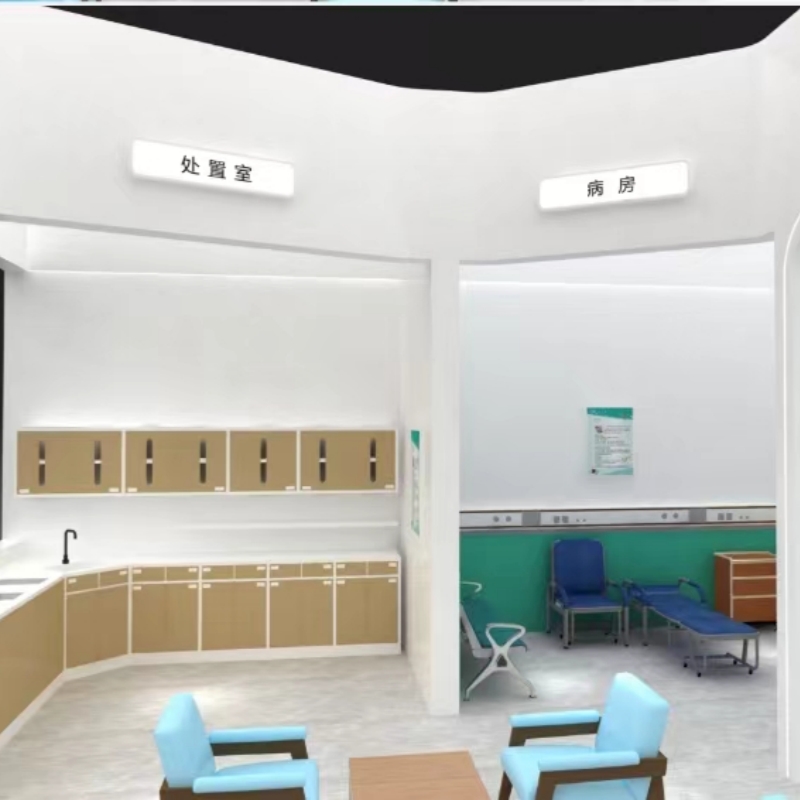
Hospital Cabinets: Versatile Storage Solutions for Healthcare Settings
Hospital cabinets encompass a wide range of specialized designs, each crafted to address specific clinical
requirements. Medical storage cabinets, a core category of hospital cabinets, are used to store disposable
supplies such as bandages, syringes, and gloves, ensuring they remain sterile and easily accessible.
Hospital file cabinets secure patient records and administrative documents, safeguarding sensitive
information while adhering to data privacy regulations. In surgical suites, instrument hospital cabinets
feature sterile compartments and easy-to-clean surfaces, protecting precision tools from contamination.
Laboratory hospital cabinets, meanwhile, are built with chemical-resistant materials to safely store reagents,
samples, and hazardous substances. Every variant of hospital cabinet is engineered to enhance workflow
efficiency, reduce downtime, and uphold the highest standards of hygiene—making them indispensable to
daily hospital operations.
Hospital Medicine Cabinets: Safeguarding Medication Integrity and Patient Safety
As a specialized subset of hospital cabinets, hospital medicine cabinets (also referred to as hospital drug
cabinets) play a non-negotiable role in medication safety and management. Healthcare facilities rely on
these cabinets to store pharmaceuticals securely, prevent errors, and maintain drug efficacy. High-quality
hospital medicine cabinets are constructed with antimicrobial materials to inhibit bacterial and fungal
growth, a critical feature for infection control in pharmacies, patient wards, and clinics. Many hospital
drug cabinets include lockable doors and adjustable shelving, allowing staff to categorize medications by
type, dosage, or expiration date—streamlining inventory checks and reducing the risk of misadministration.
For temperature-sensitive drugs, advanced hospital medicine cabinets integrate cooling systems or insulated
compartments to maintain stable storage conditions, ensuring medications retain their potency.
Compliance with regulatory standards (such as FDA guidelines) is paramount for hospital medicine cabinets,
as improper storage can compromise patient health and lead to legal liabilities.
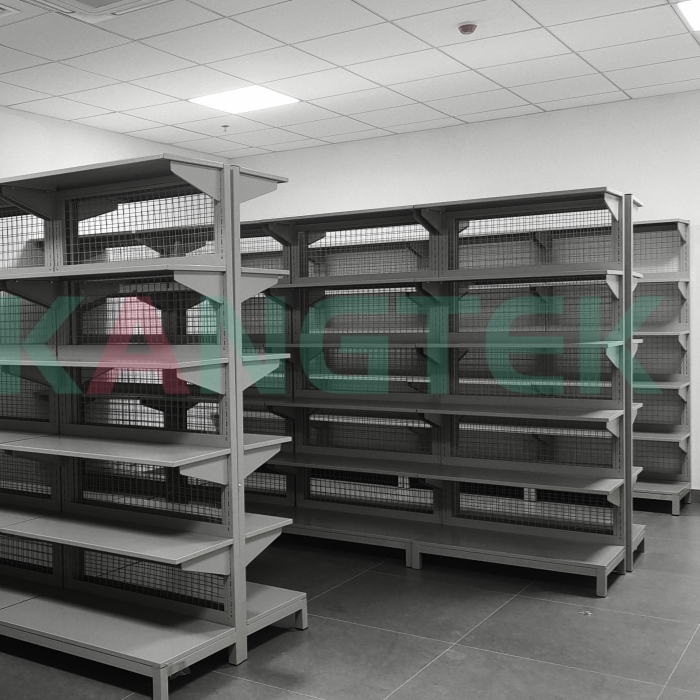
Durability is essential: hospital cabinets must withstand constant use, heavy loads, and frequent sanitization without warping or deteriorating. Hygiene-focused features, such as seamless surfaces, minimal crevices, and non-porous materials, prevent germ buildup and simplify cleaning. Ergonomics also play a vital role: hospital cabinets are positioned at accessible heights, with easy-to-open hardware, to reduce strain on healthcare workers during long shifts. Additionally, space efficiency is a top priority—hospital cabinets often feature modular designs or wall-mounted configurations to maximize floor space, particularly in crowded areas like emergency rooms or small clinics.
