
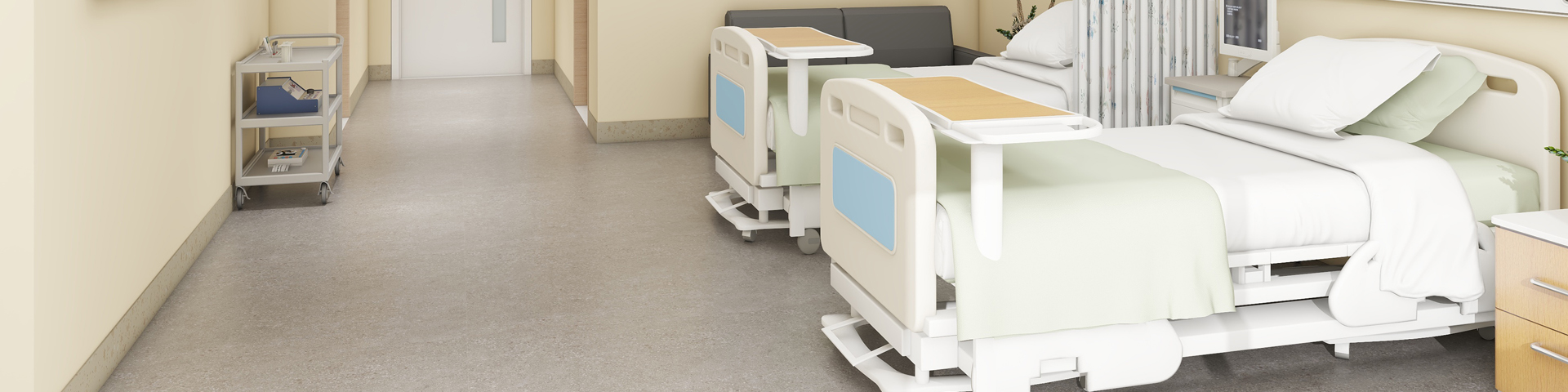
This guide provides a framework for selecting hospital furniture—a critical component of patient care,
clinical workflow, and facility management. The right choices enhance patient outcomes, staff productivity,
and the overall healing environment.

1. Hospital Beds: The Centerpiece of Patient Care
Hospital beds are far more than sleeping surfaces; they are complex medical devices.
Key Considerations:
Functionality: Prioritize beds with adjustable height, backrest (Trendelenburg/reverse Trendelenburg), and
side rails. Consider bariatric, pediatric, or ICU-specific models.
Safety: Look for integrated bed exit alarms, sturdy construction, and lockable casters.
Comfort & Hygiene: Easy-to-clean, antimicrobial upholstery (vinyl or polyurethane) and pressure-relief
mattresses are essential.
Ease of Use: Intuitive controls for both staff and patients, and reliable electrical/manual systems.
2. Examination Beds: Supporting Clinical Procedures
Examination beds must be versatile, durable, and facilitate efficient patient assessment.
Key Considerations:
Stability & Access: A stable, non-slip surface with appropriate padding. Models with a step or pull-out step
improve accessibility.
Storage & Integration: Beds with built-in storage for supplies or integrated paper roll holders streamline
workflows.
Materials: Seamless, fluid-resistant upholstery that can withstand frequent disinfection.
Specialties: Consider gynecological tables with stirrups or procedural tables for minor surgeries.

3. Waiting Chairs: Creating a Positive First Impression
Waiting areas set the tone for the patient experience. Waiting chairs should balance comfort, durability,
and infection control.
Key Considerations:
Comfort & Design: Ergonomic support for extended sitting. A modern, calming design contributes to a less
stressful environment.
Stackability & Layout: Chairs that are easily reconfigured or stacked for cleaning and space flexibility.
Materials: Fabric must be antimicrobial and stain-resistant, or consider monolithic plastic/metal designs for
maximum cleanability.
Accessories: Integrate tables, charging ports, and seating clusters for families.
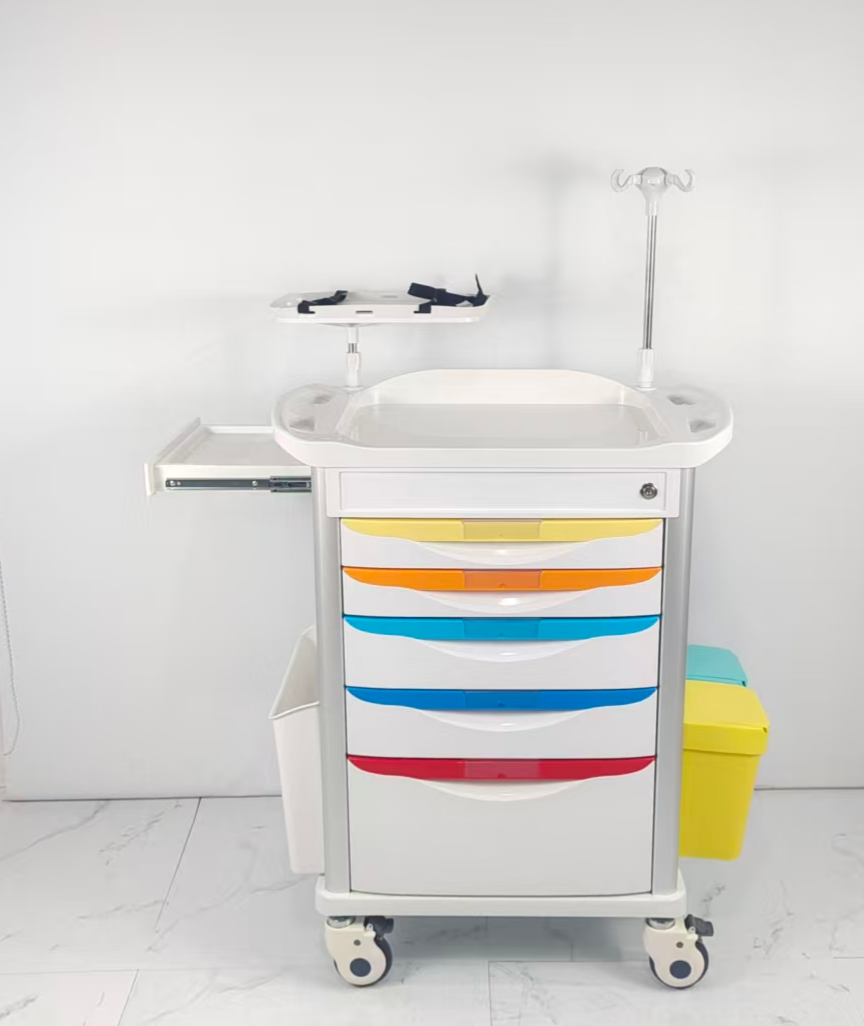
4. Medicine Trolleys / Medication Carts: Ensuring Secure Medication Management
Medicine trolleys are mobile hubs for medication, supplies, and records, directly impacting patient safety
and nurse efficiency.
Key Considerations:
Security: Locking drawers and compartments are non-negotiable for controlled substances. Consider
electronic locking systems.
Organization: Adjustable shelving, labeled bins, and separate sections for sharps, waste, and clean supplies.
Mobility & Power: Smooth-rolling, quiet casters for maneuverability. Integrated power for charging laptops
or tablets used for eMAR (electronic Medication Administration Record).
Cleanability: Non-porous surfaces that tolerate daily cleaning with disinfectants.
General Procurement Principles for All Hospital Furniture:
Infection Control: All surfaces must be seamless, non-porous, and tolerant of harsh disinfectants without
degrading.
Safety & Ergonomics: Design should prevent injuries (rounded edges, stable bases) and support staff in safe
patient handling.
Durability & Lifecycle Cost: Invest in robust, commercial-grade furniture from reputable manufacturers.
Consider long-term maintenance costs over just the initial price.
Regulatory Compliance: Ensure products meet relevant national and international standards (e.g., ISO, FDA,
CE marking for medical devices like beds).
Patient-Centered Design: Choose furniture that promotes dignity, independence, and a sense of well-being.

Recommended Procurement Process:
1. Needs Assessment: Collaborate with clinical staff (nurses, doctors), infection control, and facilities
management to define requirements for each department (ER, Oncology, Pediatrics, etc.).
2. Supplier Evaluation: Vet manufacturers specializing in hospital furniture. Request product samples,
certifications, and visit reference sites.
3. Trial & Feedback: Pilot key items (e.g., a hospital bed or waiting chair) in a live unit to gather direct user
feedback before full-scale purchase.
4. Total Cost of Ownership Analysis: Evaluate warranty, availability of spare parts, and the supplier's
reputation for service support.
