
Within the critical category of hospital furniture, hospital beds designed for pediatric patients—referred to as
Children's beds—require unique considerations. These beds are not merely scaled-down versions of adult
models; they are specialized equipment that must address the distinct medical, safety, developmental,
and psychological needs of children. This guide outlines key factors for selecting pediatric beds to create a
safer, more comforting, and clinically effective environment.
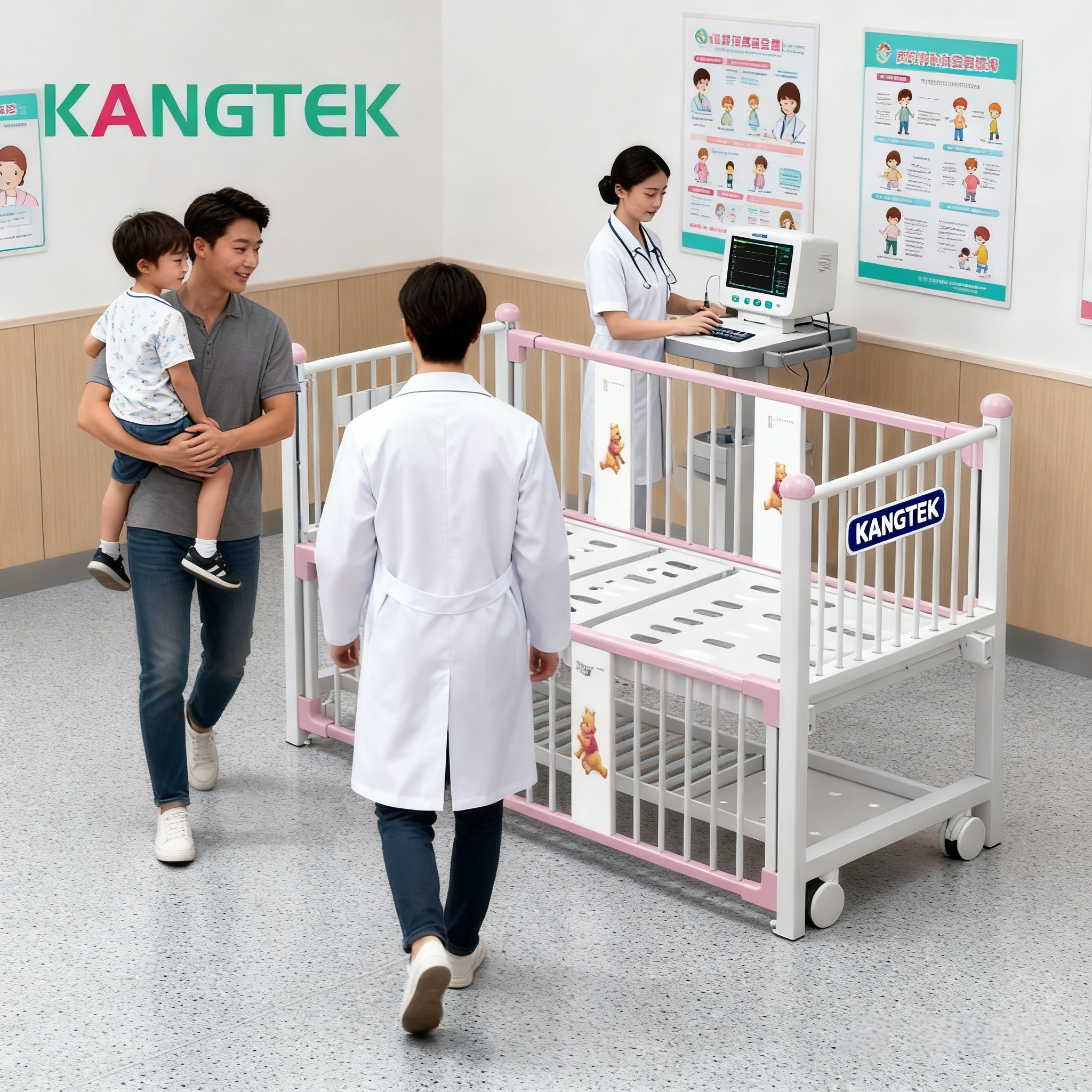
1. Core Distinctions: Why Pediatric Beds Are Specialized Hospital Furniture
Pediatric patients range from neonates to adolescents. Their hospital beds must accommodate vast
differences in size, mobility, cognitive understanding, and medical needs, all while ensuring supreme safety
and integrating into family-centered care models.
2. Key Procurement Considerations for Children's Beds
Safety & Security: The Paramount Concern
* Integrated Safety Features: Full-length, high side rails with close spacing to prevent entrapment of limbs or
heads are mandatory. Rails should be easy for staff to operate but impossible for a young child to lower
independently.
* Fall Prevention: Consider beds with low minimum height positions and built-in bed exit alarms tailored
for lightweight patients.
* Robust Construction: The bed must withstand the activity of restless children and resist tipping.
Lockable casters on all wheels are essential.
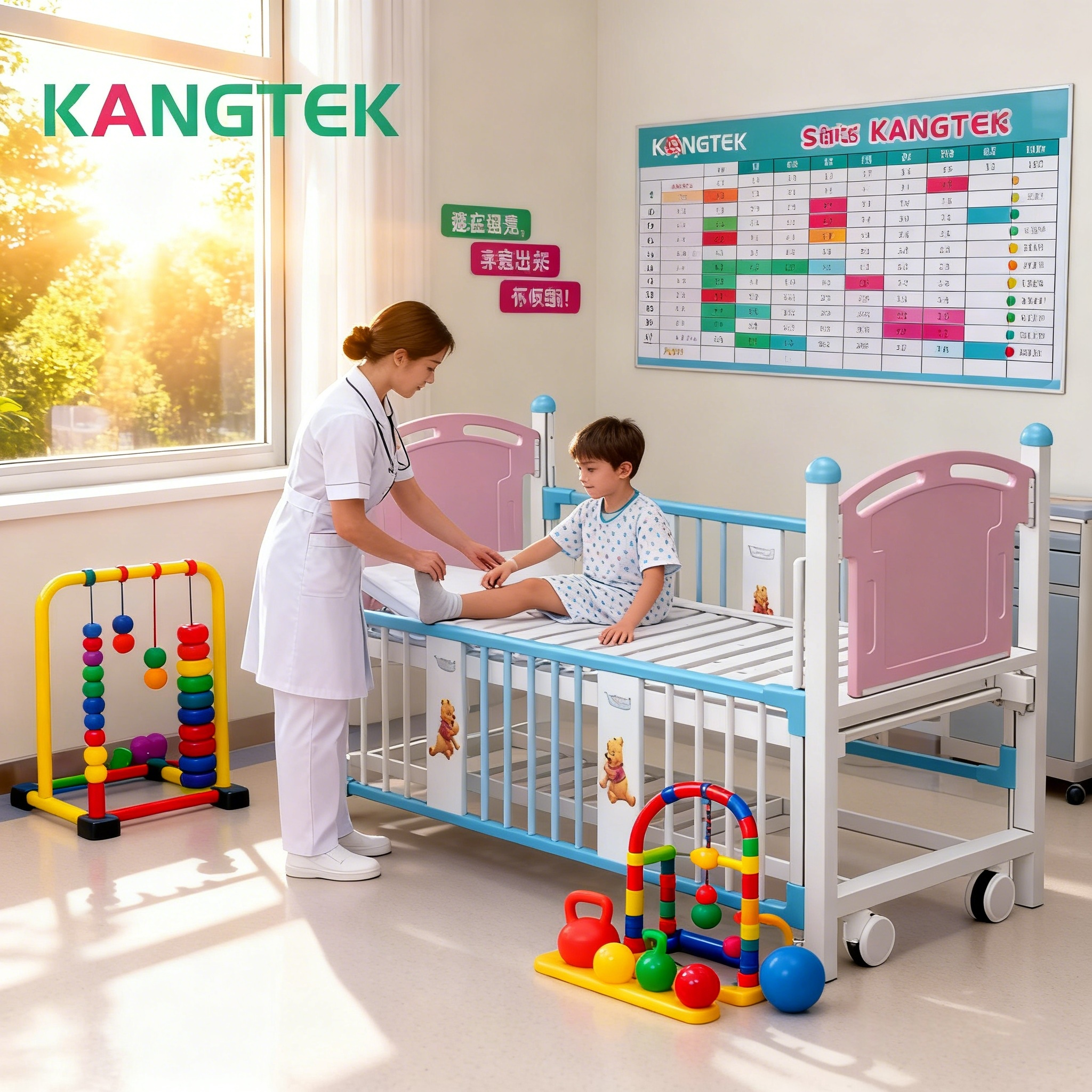
Design for Comfort & Psychological Well-being
* Child-Friendly Aesthetics: Look for hospital furniture that incorporates soothing colors, playful yet calming
themes, or the ability to customize with decals. This reduces anxiety and fear associated with clinical
settings.
* Comfort for All Ages: Mattresses and positioning must support proper anatomical development. For
older children, consider comfort features similar to a home bed.
* Family Integration: Designs that safely accommodate a parent/caregiver for co-sleeping or close comfort
(e.g., convertible sofa units, ample space for sitting bedside) are highly valuable for emotional support and
recovery.
Clinical Versatility & Functionality
* Adjustability & Growth Span: Beds should have a wide range of height and positional adjustments
(backrest, knee break) to accommodate various procedures and age/size ranges, extending the bed's usable
lifespan within the unit.
* Treatment Access: Ensure the design allows easy access for medical staff during examinations, IV
administration, or emergency interventions. Children's beds in ICU or specialty units may require
compatibility with imaging equipment or built-in scales.
* Bariatric & Special Needs Options: Have a plan for pediatric patients who require bariatric support or
specialized beds for conditions affecting mobility.

Hygiene, Durability & Infection Control
* Easy-to-Clean Surfaces: All surfaces, including rails and frames, must be non-porous, seamless, and
tolerant of frequent disinfection with hospital-grade cleaners without degrading.
* Durable Materials: Upholstery and structures must resist scratches, impacts, and the wear-and-tear of a
pediatric environment. Chew-resistant materials on rails may be necessary.
Regulatory Compliance & Sizing
* Strict Standards: Pediatric hospital beds are classified as medical devices and must comply with stringent
regional safety standards (e.g., ISO, FDA, ASTM standards specific to pediatric hospital equipment).
* Accurate Sizing: Procure beds appropriate for specific age/weight groups (e.g., infant, toddler, child,
adolescent) to ensure optimal safety and comfort. Using an improperly sized adult bed for a child is a
significant safety risk.
