
The global healthcare landscape is undergoing a significant transformation, driven by technological
integration and a heightened focus on patient-centered care. At the heart of this evolution is medical
furniture—a category no longer seen as mere infrastructure but as a critical component affecting clinical
outcomes, staff efficiency, and overall patient experience. Leading manufacturers are responding with
innovative solutions that prioritize ergonomics, hygiene, durability, and smart connectivity.
Optimizing Clinical Workflows and Patient Comfort
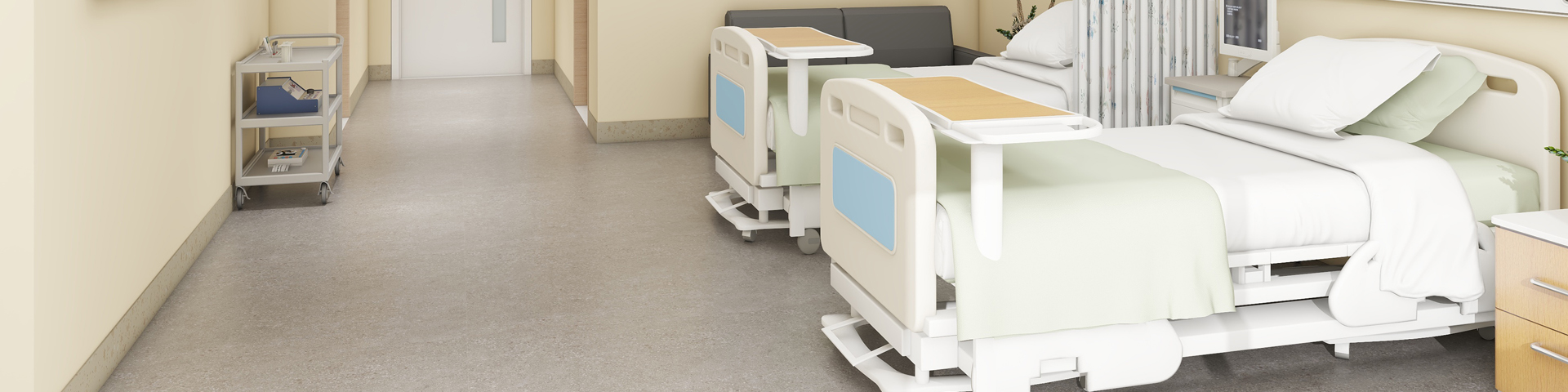
Modern healthcare facilities require furniture that serves distinct functional zones. In patient rooms, the
focus is on safety and comfort. Electric hospital beds with programmable settings, integrated bedside
cabinets, and versatile overbed tables enhance patient autonomy and support clinical care. Patient chairs
and recliners are now designed for extended comfort, aiding in recovery and mobility.
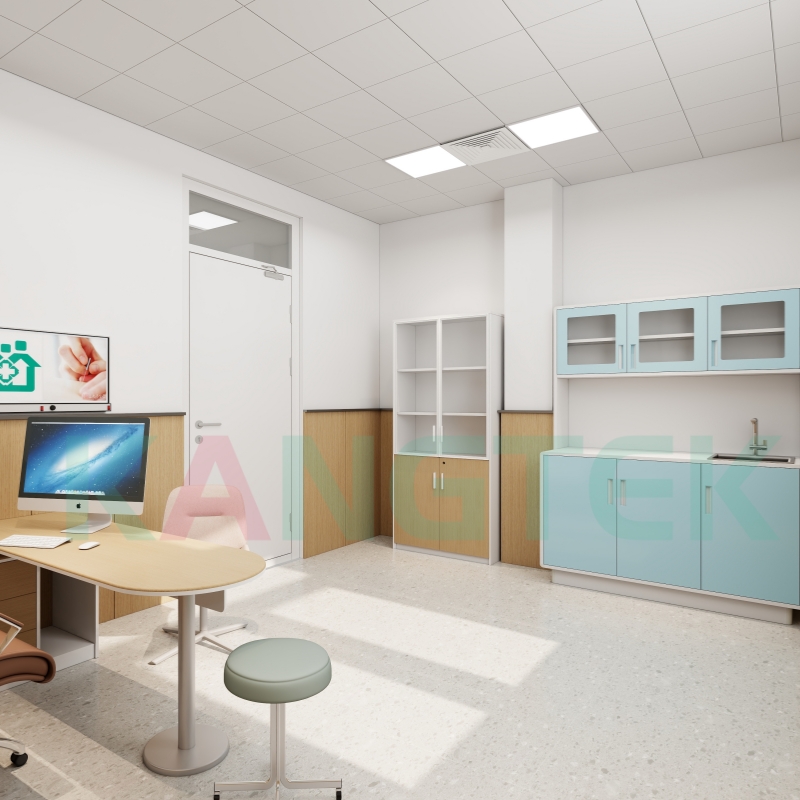
For clinical and diagnostic areas, precision and support are key. Examination tables with adjustable
heights and seamless upholstery facilitate easier patient access and infection control. Specially designed
medical stools and procedure chairs provide healthcare professionals with stability and mobility during long
procedures, reducing physical strain.
The surgical environment demands the highest standards. Operating tables offer unparalleled positioning
flexibility for diverse procedures, while instrument tables and anesthesia workstations are engineered for
optimal organization, sterility, and workflow efficiency within the operating room.
The latest offerings in hospital furniture go beyond basic functionality:
* Advanced Materials: The use of anti-microbial surfaces, chemical-resistant laminates, and easy-to-clean
upholstery is now standard, crucial for maintaining infection control protocols.
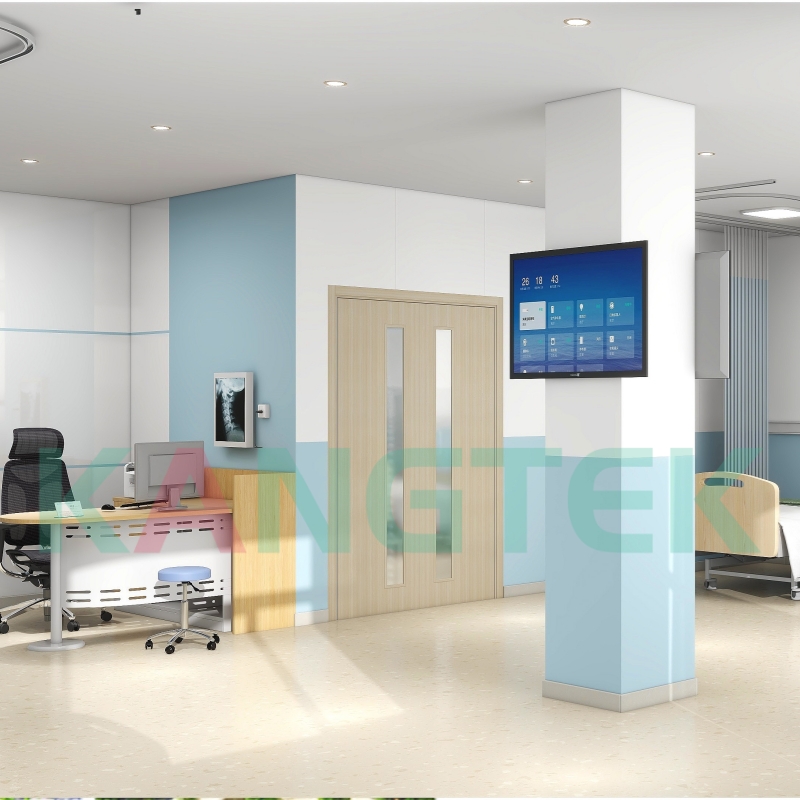
* Ergonomic Design: From nursing desks with sit-stand capabilities to medical carts with intuitive handle
systems, furniture is increasingly designed to protect staff health and improve productivity.
* Space-Saving Solutions: Modular waiting room chairs, convertible birthing beds, and wall-mounted
medical cabinetry help maximize space in increasingly compact healthcare facilities.
* Technology Integration: The emergence of IoT-enabled furniture—such as beds that communicate with
nurse call systems or mobile computer workstations—is creating a more connected and data-driven care
environment.
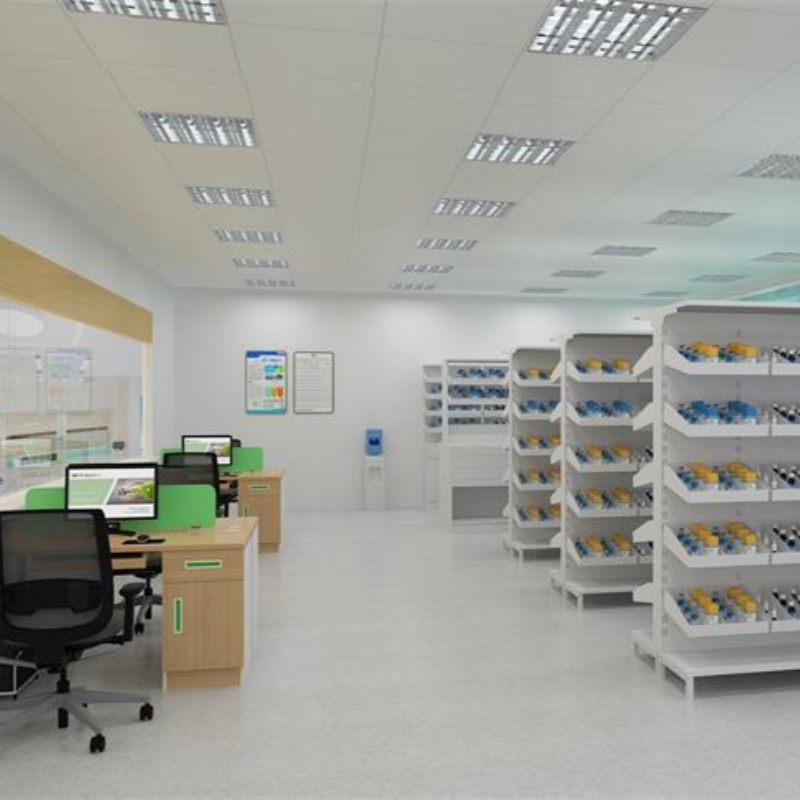
As facilities strive to improve patient satisfaction and operational excellence, investing in high-quality,
purpose-built medical furniture is becoming a strategic imperative.
