
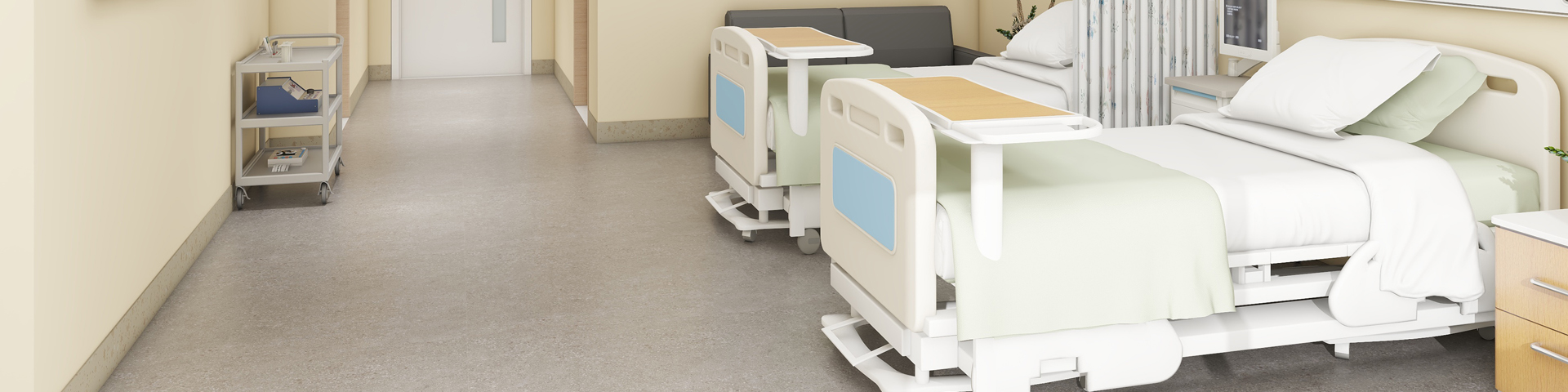
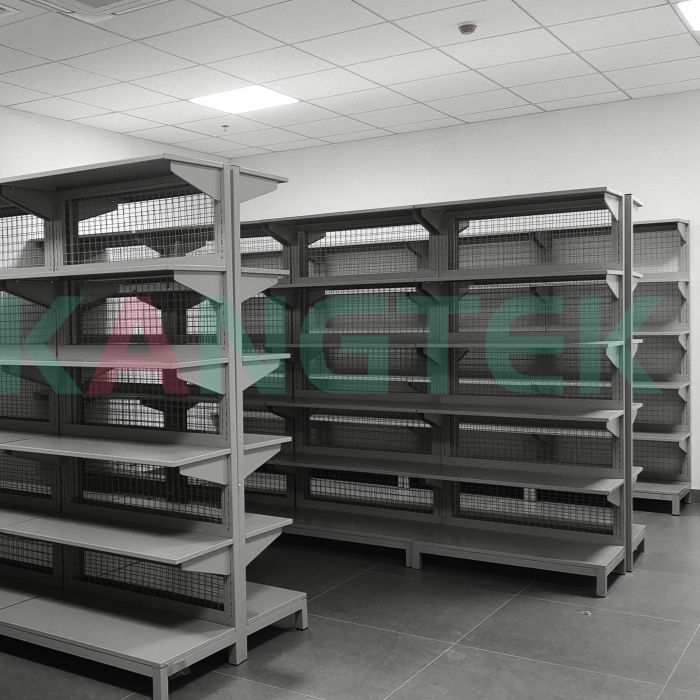
Hospital furniture is a critical component of healthcare infrastructure, directly impacting patient care, staff
efficiency, and overall facility operations. Among these essential furnishings, hospital cabinets and
specialized medical cabinets stand out for their vital role in organization, safety, and workflow optimization.
Core Hospital Furniture & Cabinet Types
The term hospital furniture encompasses a wide range of products designed for clinical environments. The
following table outlines key categories, with cabinets being a central element.
Medical Cabinets & Storage,Hospital cabinets, medical cabinets, pharmacy cabinets, point-of-care cabinets,
pass-through cabinets, wall-mounted cabinets, instrument cabinets, medication storage units. Designed for
hygiene, organization, and secure storage of supplies, medicines, and equipment.
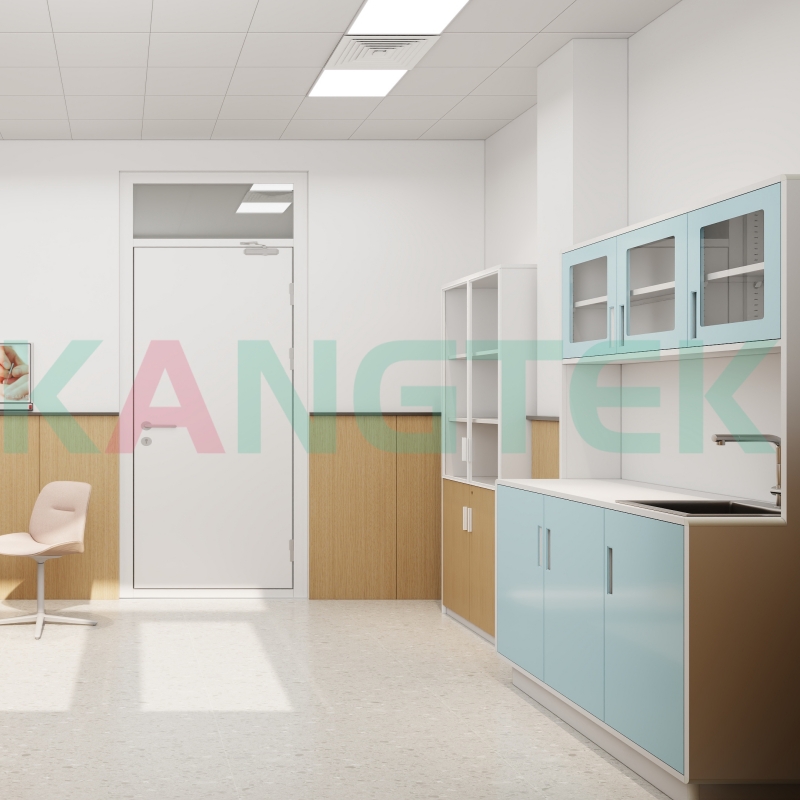
Nursing stations, patient rooms, operating rooms, pharmacies, procedure rooms, hallways. Patient Beds
Electric adjustment, integrated side rails, pressure-relief mattresses. Designed for patient safety, comfort,
and to facilitate medical procedures.
Inpatient wards, ICU, recovery rooms. Examination & Surgical Tables Ergonomic, height-adjustable tables for
patient examinations and surgeries. Consultation rooms, emergency departments, operating theaters.
Seating Solutions、Patient chairs, waiting area seating, and ergonomic staff chairs, often with antimicrobial
fabrics. Waiting areas, patient rooms, staff offices.
Workstations & Casework、Nurse servers, hospital cupboards, treatment counters, and modular cabinetry systems like the Medeko HTM63, which offer durable, seamless surfaces for hygiene. Nurse stations, laboratories, clean utility rooms.
The Central Role of Hospital & Pharmacy Cabinets
Hospital cabinets are far more than simple storage; they are integrated tools for patient safety and operational excellence.
Enhancing Medication Safety: Modern pharmacy cabinets, especially Automated Dispensing Cabinets (ADCs)
or smart medication cabinets, transform drug management. These systems provide closed-loop traceability,
automatic inventory counting, and batch tracking to minimize errors and waste.
They ensure the right medication reaches the right patient at the right time.
Optimizing Clinical Workflow: Strategically placed point-of-care cabinets or pass-through cabinets in patient
rooms save nurses crucial time. By storing dozens of medications or supplies at the point of use, staff avoid
unnecessary trips to central storage, allowing them to focus more on patient care.
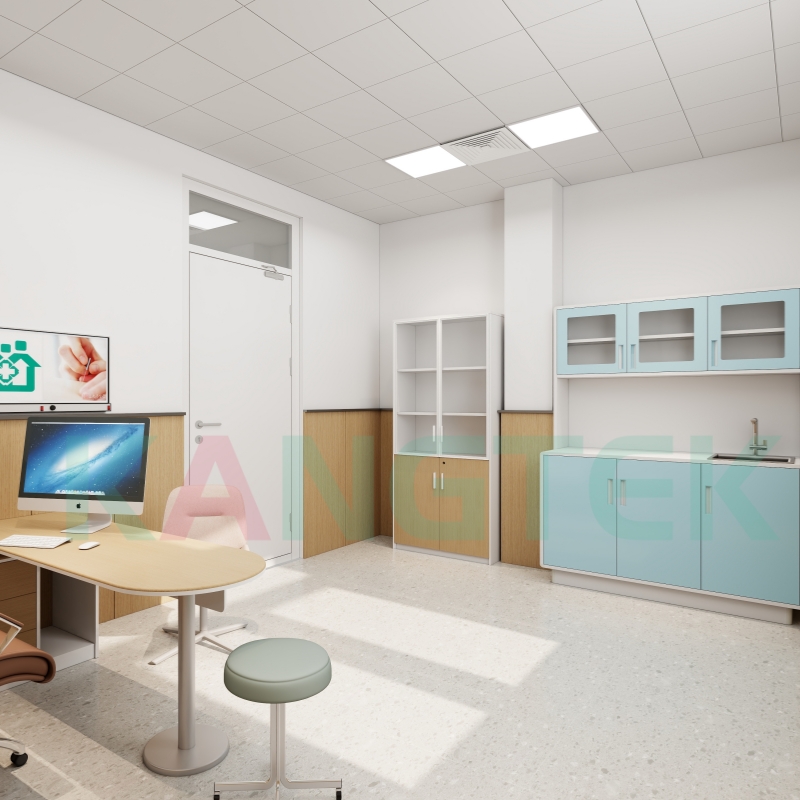
Ensuring Hygiene and Durability: Medical cabinets for hospitals are built to withstand rigorous cleaning and
disinfecting protocols.
They are constructed from materials like powder-coated steel, high-pressure laminates, and stainless steel
that are corrosion-resistant, waterproof, and easy to clean.
Critical Design and Selection Principles
Selecting the right hospital furniture requires careful consideration of clinical needs and standards.
Professional guides like the Medical Furniture Design and Configuration Guide provide authoritative
frameworks for this process.
Infection Control: Surfaces must be antimicrobial and seamless to prevent pathogen buildup. Rounded
edges on cabinets and worktops further aid cleaning.
Ergonomics & Safety: Design should reduce physical strain on staff and ensure patient safety, featuring
elements like smooth-gliding drawers and secure locking mechanisms.
Flexibility & Customization: Modular hospital cabinetry allows facilities to adapt storage to specific
departmental needs, from a diagnostic laboratory to a long-term care facility. Many suppliers offer custom
medical furniture solutions.
Material Quality & Compliance: Furniture must meet stringent standards. This includes using E1/E0 grade
environmentally friendly boards, high-quality hardware, and coatings that comply with national healthcare
regulations.
The Smart Hospital and Future Trends
The hospital furniture market is evolving with technology integration. The future lies in connected
environments where smart cabinets communicate with Hospital Information Systems These cabinets can
automatically update inventory, flag expired medications, and streamline restocking processes, contributing
to a more efficient and data-driven healthcare facility.
